
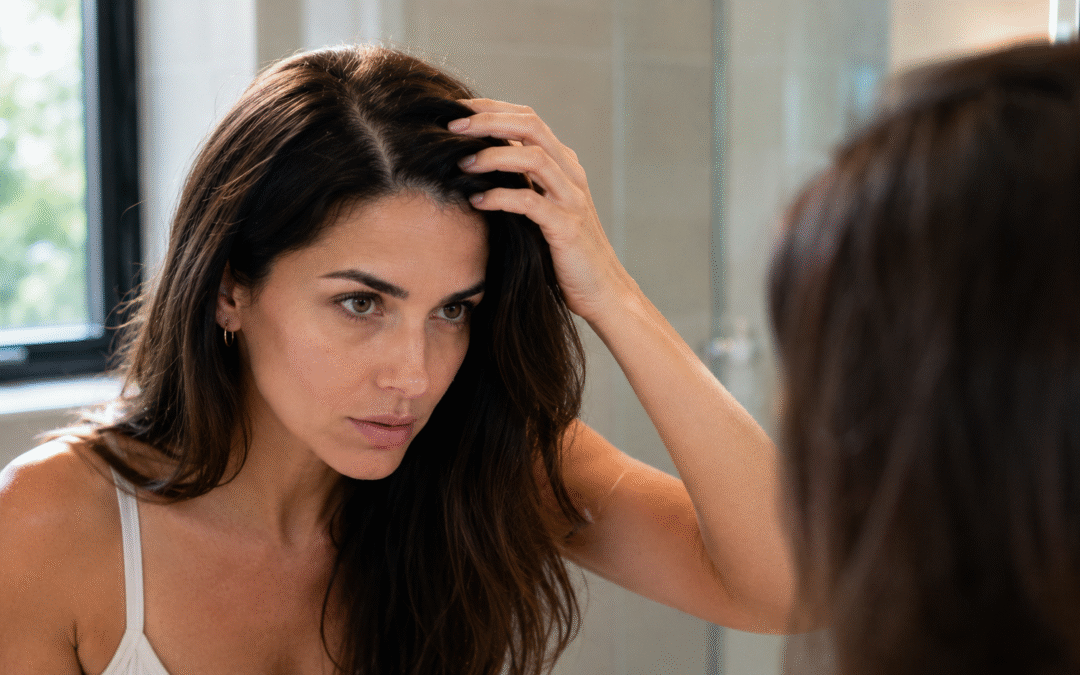
When people think about hair loss, they usually focus on the hair itself. But the real story often starts just below the surface, on your scalp.
Your scalp is where your hair grows from. If your scalp is not healthy, your hair will struggle. It is a bit like trying to grow a garden in poor soil. You can have the best seeds in the world, but if the soil is not right, nothing will thrive.
The good news is that your scalp often gives you signals when something is off. Learning to read those signals can help you address problems early, before they lead to noticeable hair loss.
Why Scalp Health Matters
Your hair follicles live in your scalp. They depend on good blood flow, proper nutrition, balanced oil production, and a healthy environment to function well.
When your scalp is healthy:
- Blood flows freely to your follicles, delivering oxygen and nutrients
- Follicles can cycle normally through growth, rest, and shedding phases
- Hair grows stronger and stays anchored securely
- The skin barrier protects against infection and irritation
When your scalp is unhealthy:
- Blood flow may be restricted
- Inflammation can disrupt the hair growth cycle
- Follicles may weaken and produce thinner hair
- Hair may fall out more easily or stop growing altogether
Think of your scalp as the foundation for everything that happens above it. A healthy foundation supports healthy hair.
What Is Your Scalp Telling You?
Different scalp symptoms can point to different underlying issues. Here is what common signs might mean:
Itchy Scalp
An itchy scalp is one of the most common complaints, and it can have several causes.
What it might mean:
- Product buildup: Shampoos, conditioners, and styling products can accumulate on your scalp, causing irritation
- Dry scalp: Lack of moisture can lead to itching and flaking
- Seborrhoeic dermatitis: An overgrowth of yeast on the scalp causes itching, redness, and flaky patches
- Contact dermatitis: A reaction to something touching your scalp (hair dye, new product, etc.)
- Psoriasis: An autoimmune condition causing thick, silvery scales and itching
Should you worry about hair loss?
Occasional itching is usually not a concern. But chronic itching can lead to scratching, which damages follicles over time. Some scalp conditions that cause itching (like severe seborrhoeic dermatitis or psoriasis) can contribute to temporary hair shedding if left untreated.
Flaky or Dry Scalp
Flakes on your shoulders or visible dry patches on your scalp are hard to ignore.
What it might mean:
- Simple dry scalp: Your scalp is not producing enough natural oil, often due to over-washing, harsh products, or cold weather
- Dandruff: Caused by an overreaction to yeast on the scalp, leading to flaking and mild irritation
- Seborrhoeic dermatitis: More severe than dandruff, with yellowish, greasy flakes and redness
- Psoriasis: Thick, silvery scales that can extend beyond the hairline
Should you worry about hair loss?
Mild dryness or dandruff does not typically cause hair loss. However, more severe conditions can create inflammation that affects hair growth. If flaking is persistent or accompanied by significant itching, redness, or hair shedding, it is worth looking into.
Oily Scalp
Some oil is normal and healthy. But an excessively oily scalp can create problems.
What it might mean:
- Overactive sebaceous glands: Your scalp naturally produces more oil than average
- Over-washing: Washing too often can strip natural oils, causing your scalp to overcompensate by producing more
- Hormonal factors: Androgens can increase oil production
- Diet or stress: Both can influence sebum production
Should you worry about hair loss?
Excess oil itself does not cause hair loss, but it can create an environment where other problems develop. Oily scalps are more prone to buildup, clogged follicles, and conditions like seborrhoeic dermatitis. Keeping your scalp clean and balanced is important.
Red or Inflamed Scalp
Redness or visible inflammation is a clear signal that something is irritating your scalp.
What it might mean:
- Allergic reaction: To hair products, dyes, or other substances
- Sunburn: Yes, your scalp can burn, especially where hair is thinning
- Infection: Bacterial or fungal infections can cause redness and tenderness
- Inflammatory conditions: Psoriasis, seborrhoeic dermatitis, or other skin conditions
- Scarring alopecia: Some rare conditions cause inflammation that destroys follicles
Should you worry about hair loss?
Inflammation is one of the biggest threats to healthy hair growth. It can push follicles into the resting phase prematurely, weaken the hair shaft, and in severe cases (like scarring alopecia), destroy follicles permanently. Persistent redness or inflammation should be assessed.
Tender or Painful Scalp
If your scalp hurts or feels tender to the touch, pay attention.
What it might mean:
- Trichodynia: A sensation of scalp pain often associated with hair shedding or telogen effluvium
- Tension: From tight hairstyles pulling on follicles
- Inflammation: An underlying inflammatory condition
- Infection: Bacterial or fungal infection causing tenderness
Should you worry about hair loss?
Scalp tenderness can sometimes accompany or precede hair shedding. If your scalp is painful and you are also noticing increased hair loss, it is worth having a professional take a look.
Visible Scalp Through Hair
If you are noticing more scalp showing through your hair than before, that is often the first sign of thinning.
What it might mean:
- Pattern hair loss: Gradual thinning at the crown, parting, or temples
- Diffuse thinning: All-over thinning, often from stress, hormones, or nutritional deficiencies
- Follicle miniaturisation: Hair shafts becoming finer and less visible over time
Should you worry about hair loss?
Yes, this is usually a sign that something is affecting your hair density. The good news is that early-stage thinning is often the most treatable. If you are noticing more scalp than usual, now is a good time to take action.
The Scalp Conditions Most Linked to Hair Loss
While many scalp issues are annoying but harmless, some have a more direct connection to hair loss:
Seborrhoeic dermatitis: Chronic inflammation and irritation can contribute to increased shedding.
Psoriasis: Severe scalp psoriasis can temporarily affect hair growth in affected areas.
Folliculitis: Infection of the hair follicles can damage them if left untreated.
Scarring alopecias: Conditions like frontal fibrosing alopecia or lichen planopilaris cause permanent follicle destruction. Early treatment is essential.
Fungal infections (tinea capitis): Can cause patchy hair loss and require treatment to resolve.
If you have a persistent scalp condition alongside hair loss, addressing the scalp issue is an important part of any treatment plan.
How to Support a Healthy Scalp
Good scalp health is not complicated, but it does require some attention. Here are practical steps:
Wash appropriately
Wash often enough to remove buildup and excess oil, but not so often that you strip your scalp of natural moisture. For most people, this means every 2 to 3 days, though it varies depending on your hair type and lifestyle.
Choose gentle products
Harsh shampoos with sulphates can irritate sensitive scalps. If you are experiencing scalp issues, try switching to a gentler formula and see if things improve.
Rinse thoroughly
Product residue left on your scalp can cause irritation and buildup. Make sure you rinse shampoo and conditioner completely.
Do not ignore symptoms
Persistent itching, flaking, redness, or tenderness are signs that something needs attention. Ignoring scalp issues can allow them to worsen and potentially affect your hair.
Protect from the sun
Your scalp can burn, especially in areas where hair is thinning. Wear a hat or use scalp-safe sun protection when spending time outdoors.
Manage stress
Stress affects your entire body, including your scalp. Chronic stress can increase inflammation and contribute to both scalp problems and hair shedding.
Eat well
Your scalp and hair need nutrients like protein, iron, zinc, omega-3 fatty acids, and B vitamins. A balanced diet supports healthy skin (including your scalp) and healthy hair. If you suspect nutritional gaps, blood testing can help identify what you might be missing.
How PRP Supports Scalp Health
PRP (platelet-rich plasma) is best known for stimulating hair follicles, but it also benefits the scalp itself.
When PRP is injected into your scalp, it delivers concentrated growth factors that:
- Improve blood circulation to the area
- Support tissue repair and regeneration
- Reduce inflammation
- Create a healthier environment for follicles to function
By improving the overall health of your scalp, PRP helps create the conditions your hair needs to grow stronger and thicker.
Many of our clients notice that their scalp feels healthier after PRP treatment, not just their hair. Less irritation, better balance, and a healthier foundation for growth.
If you are wondering whether PRP could help your situation, a consultation can give you a clearer picture.
When to Seek Help
You should consider professional advice if you notice:
- Persistent itching, flaking, or redness that does not improve with over-the-counter products
- Scalp tenderness or pain, especially alongside increased shedding
- Patchy hair loss or visible bald spots
- Thick scales, sores, or unusual changes in your scalp
- Hair thinning that concerns you, regardless of scalp symptoms
Some scalp conditions require specific treatment to resolve. And if your scalp issues are contributing to hair loss, addressing them early gives you the best chance of recovery.
The Bottom Line
Your scalp is more than just the surface your hair grows from. It is an active, living environment that directly affects the health of your hair.
When your scalp is healthy, your hair has the foundation it needs to grow strong. When your scalp is struggling, your hair often struggles too.
Paying attention to what your scalp is telling you can help you catch problems early and take action before they affect your hair. And if you are experiencing both scalp symptoms and hair concerns, addressing both together is often the most effective approach.
FAQs
Can an unhealthy scalp cause hair loss?
Yes. Scalp conditions that cause inflammation, infection, or damage to follicles can contribute to hair shedding or prevent healthy hair growth. Addressing scalp health is an important part of treating hair loss.
Does dandruff cause hair loss?
Mild dandruff does not typically cause hair loss. However, severe dandruff or underlying conditions like seborrhoeic dermatitis can create inflammation that affects hair growth. If dandruff is persistent and accompanied by shedding, it is worth addressing.
Why is my scalp itchy and my hair falling out?
Itching and shedding together can indicate an underlying scalp condition causing inflammation. It could also be a sign of stress-related changes or a reaction to products. A professional assessment can help identify the cause.
Can improving scalp health help hair grow back?
If your hair loss is related to a scalp condition, treating that condition can often lead to improvement. A healthier scalp creates a better environment for follicles to function. For other types of hair loss, scalp health is one piece of the puzzle alongside other treatments.
How does PRP help scalp health?
PRP delivers growth factors that improve blood circulation, reduce inflammation, and support tissue health. This creates a healthier scalp environment that supports stronger hair growth.
Should I see someone for scalp problems?
If you have persistent symptoms (itching, flaking, redness, tenderness, or pain) that do not respond to over-the-counter treatments, or if you are experiencing hair loss alongside scalp issues, a professional assessment is a good idea.
Can stress affect my scalp?
Yes. Stress can increase inflammation throughout your body, including your scalp. It can also trigger or worsen conditions like seborrhoeic dermatitis and contribute to hair shedding.
What is the best way to keep my scalp healthy?
Wash your hair regularly with gentle products, rinse thoroughly, avoid harsh chemicals, eat a balanced diet, manage stress, and do not ignore persistent symptoms. Simple, consistent care goes a long way.
Concerned About Your Scalp or Hair?
If your scalp is sending you signals that something is not right, or if you are noticing thinning alongside scalp symptoms, we can help.
At Hair Loss Studios, we assess both your hair and your scalp to understand the full picture. Whether you need advice on scalp care, treatment for thinning, or both, we will give you honest guidance.
Medical Disclaimer
This article is for informational purposes only. If you have persistent scalp symptoms or concerns about hair loss, we recommend consulting a professional for proper assessment and advice.