
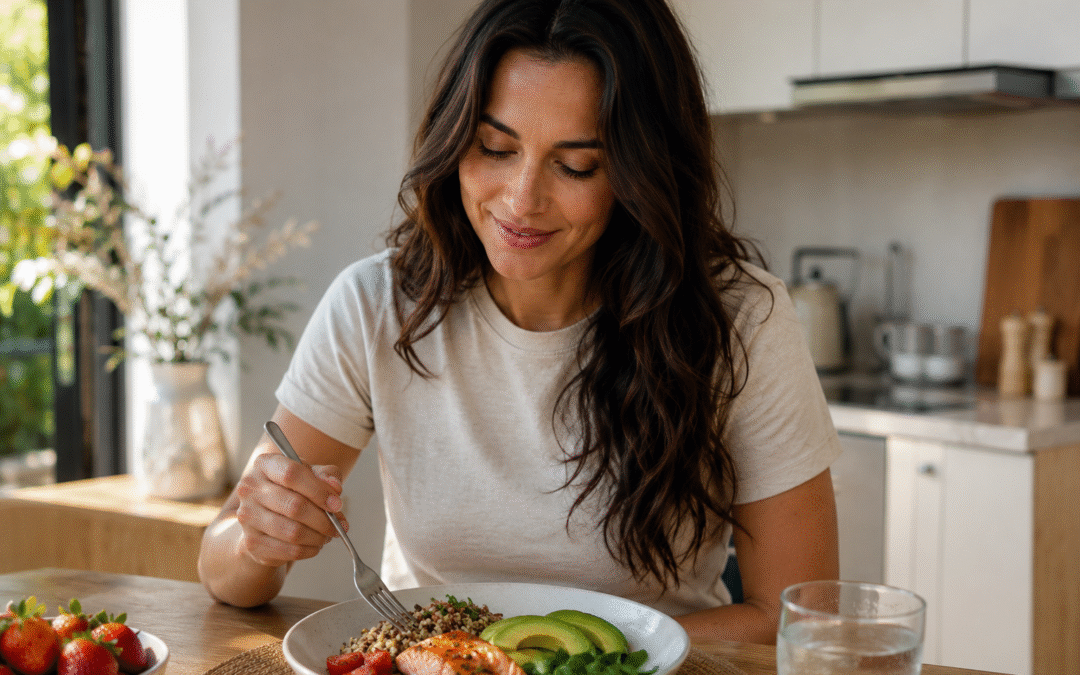
You have probably heard the saying “you are what you eat.” When it comes to your hair, there is real truth to it.
Your hair follicles are among the most active cells in your body. They need a steady supply of nutrients to do their job properly. When your diet falls short, your hair is often one of the first things to show it.
The good news? You do not need expensive supplements or complicated meal plans. Most of what your hair needs can come from everyday foods. This guide covers the key nutrients for healthy hair and where to find them.
Why Diet Matters for Your Hair
Hair is not essential for survival, so when your body is low on nutrients, it prioritises vital organs like your heart and brain. Your hair gets whatever is left over.
This means that even mild nutritional gaps can affect your hair before you notice any other symptoms. Thinning, dullness, slow growth, brittleness, and increased shedding can all be signs that your diet needs attention.
On the flip side, eating well supports stronger roots, less breakage, faster growth, and healthier-looking hair overall.
The Nutrients Your Hair Needs Most
Let us look at the key players and where to find them.
Protein
Your hair is made of around 90% keratin, a structural protein. Without enough protein in your diet, your body simply cannot produce strong, healthy hair.
Low protein intake can lead to weaker strands, slower growth, and increased shedding. This is particularly common in people following restrictive diets or those who have recently lost a significant amount of weight.
Good sources:
- Eggs
- Chicken and turkey
- Fish
- Lean red meat
- Greek yoghurt
- Cottage cheese
- Lentils and beans
- Tofu and tempeh
- Nuts and seeds
Practical tip: Include a source of protein at every meal. It does not have to be complicated. An egg at breakfast, chicken in your salad, fish for dinner.
Iron
Iron helps red blood cells carry oxygen to your cells, including your hair follicles. Without enough iron, your follicles can become starved of the oxygen they need to grow hair properly.
Iron deficiency is one of the most common nutritional causes of hair loss, particularly in women. If you have been experiencing unexplained hair shedding, low iron is one of the first things worth checking.
Good sources:
- Red meat (one of the best sources)
- Liver
- Shellfish (especially oysters and mussels)
- Spinach and other dark leafy greens
- Lentils and chickpeas
- Kidney beans
- Fortified cereals
- Pumpkin seeds
Practical tip: Your body absorbs iron from animal sources (heme iron) more easily than from plant sources (non-heme iron). If you eat mostly plant-based, pair iron-rich foods with vitamin C to boost absorption.
Vitamin C
Vitamin C does double duty for your hair. It helps your body absorb iron from food, and it is essential for producing collagen, a protein that strengthens hair structure.
Vitamin C is also a powerful antioxidant that helps protect hair follicles from damage.
Good sources:
- Citrus fruits (oranges, lemons, grapefruit)
- Strawberries
- Kiwi
- Bell peppers (especially red)
- Broccoli
- Tomatoes
- Brussels sprouts
Practical tip: Have some vitamin C with your meals, especially if you are trying to boost your iron levels. A glass of orange juice with your spinach omelette, or bell peppers in your lentil salad.
Vitamin D
Vitamin D plays a role in creating new hair follicles and may help wake up dormant ones. Low vitamin D has been linked to hair loss, and deficiency is surprisingly common, especially in the UK where sunshine is limited.
Good sources:
- Fatty fish (salmon, mackerel, sardines)
- Egg yolks
- Fortified foods (milk, cereals, plant milks)
- Mushrooms (especially those exposed to UV light)
- Sunshine (your body makes vitamin D when your skin is exposed to sunlight)
Practical tip: Getting enough vitamin D from food alone is difficult, especially in winter. If you are concerned about your levels, a blood test can show whether you need to supplement.
Zinc
Zinc supports tissue growth and repair, including hair tissue. It also helps keep the oil glands around your follicles working properly.
Zinc deficiency can lead to hair loss and make your hair more prone to breakage. Your body cannot store zinc, so you need to get it regularly from your diet.
Good sources:
- Oysters (the richest source by far)
- Beef and lamb
- Pumpkin seeds
- Lentils and chickpeas
- Cashews
- Eggs
- Whole grains
Practical tip: Vegetarians and vegans may need to pay extra attention to zinc, as plant-based sources are less easily absorbed. Including a variety of zinc-rich foods each day helps.
B Vitamins
Several B vitamins play roles in hair health:
- Biotin (B7): Supports keratin production. True deficiency is rare, but it can cause brittle hair and shedding.
- B12: Helps red blood cells carry oxygen. Deficiency can contribute to hair loss.
- Folate (B9): Supports cell growth, including the cells that make up your hair.
- Niacin (B3): Improves blood flow to the scalp.
Good sources:
- Eggs (especially for biotin)
- Meat, poultry, and fish
- Whole grains
- Leafy green vegetables
- Avocados
- Legumes
- Nutritional yeast (good for vegans)
Practical tip: B12 is found almost exclusively in animal products. If you eat a plant-based diet, consider fortified foods or a supplement.
Omega-3 Fatty Acids
Omega-3s help keep your scalp hydrated and nourished. They have anti-inflammatory properties that can help maintain a healthy scalp environment, which in turn supports healthy hair growth.
Good sources:
- Fatty fish (salmon, mackerel, sardines, herring)
- Walnuts
- Flaxseeds and flaxseed oil
- Chia seeds
- Hemp seeds
Practical tip: Aim for two portions of oily fish per week. If you do not eat fish, include plant-based sources like walnuts and flaxseeds daily.
Vitamin A
Vitamin A helps your scalp produce sebum, the natural oil that keeps hair moisturised and healthy. However, balance is important. Too little can lead to dry, brittle hair. Too much can actually cause hair loss.
Good sources:
- Sweet potatoes
- Carrots
- Spinach and kale
- Butternut squash
- Red bell peppers
- Eggs
- Liver (very high, so eat sparingly)
Practical tip: It is almost impossible to get too much vitamin A from food (your body only converts what it needs from plant sources). The risk comes from high-dose supplements, so stick to food sources unless advised otherwise.
Vitamin E
Vitamin E is an antioxidant that helps protect your hair follicles from oxidative damage. It also supports scalp circulation.
Good sources:
- Almonds
- Sunflower seeds
- Avocados
- Spinach
- Olive oil
- Hazelnuts
Practical tip: A handful of almonds or sunflower seeds makes an easy, hair-friendly snack.
Foods to Include Regularly
If you want to simplify things, here are foods that tick multiple boxes for hair health:
Eggs: Protein, biotin, zinc, selenium, vitamin D. An all-round hair superfood.
Salmon: Protein, omega-3s, vitamin D, B vitamins. Aim for it twice a week.
Spinach: Iron, vitamin C, folate, vitamin A. Add it to smoothies, salads, or omelettes.
Sweet potatoes: Beta-carotene (vitamin A), vitamin C. Easy to roast or bake as a side.
Greek yoghurt: Protein, B vitamins. Great for breakfast or snacks.
Nuts and seeds: Zinc, vitamin E, omega-3s, protein. Keep a mix on hand for snacking.
Lentils and beans: Protein, iron, zinc, folate. Affordable and versatile.
Berries: Vitamin C, antioxidants. Perfect on porridge or as a snack.
What About Supplements?
Supplements can help if you have a genuine deficiency, but they are not a substitute for a balanced diet.
The key nutrients most worth checking if you are experiencing hair loss are iron (ferritin), vitamin D, and B12. If your levels are low, targeted supplementation can make a real difference.
However, taking supplements “just in case” is not always helpful and can sometimes cause problems. High-dose biotin, for example, can interfere with certain blood tests and give false results.
If you are unsure whether you are getting enough of the right nutrients, blood testing can give you a clear picture. That way, you can focus on what you actually need rather than guessing.
What to Avoid or Limit
Just as some foods support hair health, others can work against it:
Crash diets and severe calorie restriction: Rapid weight loss is a common trigger for temporary hair shedding. Your body needs adequate calories and nutrients to prioritise hair growth.
Excess sugar: High sugar intake can contribute to inflammation, which is not good for your scalp or follicles.
Excessive alcohol: Can interfere with nutrient absorption and affect hormone balance.
Too much vitamin A from supplements: Can actually cause hair loss. Stick to food sources.
Very low protein diets: Without adequate protein, your hair cannot grow properly.
Can Diet Alone Fix Hair Loss?
Eating well is essential for healthy hair, but it is not always enough on its own.
If your hair loss is caused primarily by a nutritional deficiency, correcting that deficiency should lead to improvement. But many types of hair loss involve other factors, such as hormones, genetics, stress, or medical conditions.
For these situations, nutrition supports your hair but may not be the complete solution. Treatments like PRP (platelet-rich plasma) can work alongside good nutrition to give your follicles extra support.
Think of it this way: a good diet creates the best conditions for your hair to grow. Other treatments can then build on that foundation.
Sample Day of Hair-Healthy Eating
Here is what a day of eating for healthier hair might look like:
Breakfast:
Scrambled eggs with spinach on wholegrain toast, plus a glass of orange juice.
Snack:
A handful of almonds and a few strawberries.
Lunch:
Grilled salmon salad with mixed greens, avocado, chickpeas, and bell peppers.
Snack:
Greek yoghurt with a sprinkle of pumpkin seeds.
Dinner:
Chicken stir-fry with broccoli, sweet potato, and brown rice.
This is not about perfection. It is about consistently including a variety of nutrient-rich foods over time.
The Bottom Line
Your hair needs a steady supply of nutrients to grow strong and healthy. Protein, iron, zinc, vitamin D, B vitamins, vitamin C, omega-3s, and vitamin E all play important roles.
The best approach is a varied, balanced diet that includes plenty of whole foods: eggs, fish, lean meats, leafy greens, nuts, seeds, legumes, and colourful vegetables.
If you are experiencing hair loss or thinning, nutrition is a good place to start. Correcting any deficiencies gives your hair the foundation it needs, and can make other treatments more effective.
FAQs
Can diet really affect hair growth?
Yes. Your hair follicles need nutrients like protein, iron, zinc, and vitamins to function properly. Deficiencies in these nutrients can lead to slower growth, weaker hair, and increased shedding.
What is the best food for hair growth?
Eggs are often considered one of the best all-round foods for hair because they contain protein, biotin, zinc, and selenium. Fatty fish like salmon is also excellent for protein, omega-3s, and vitamin D.
Can eating better stop hair loss?
If your hair loss is caused by nutritional deficiencies, improving your diet can lead to significant improvement. However, hair loss caused by other factors (genetics, hormones, medical conditions) may also need other treatments alongside good nutrition.
Should I take supplements for my hair?
Supplements can help if you have a confirmed deficiency, but they are not necessary for everyone. Taking supplements blindly can sometimes cause more harm than good. A blood test can show whether you actually need to supplement.
How long does it take for diet changes to affect hair?
Hair grows slowly (about 1 centimetre per month), so it takes time for dietary improvements to show. You might notice reduced shedding within a few months, but visible changes in hair quality and thickness can take 6 to 12 months.
Does iron deficiency cause hair loss?
Yes. Iron deficiency is one of the most common nutritional causes of hair loss, particularly in women. If you are experiencing unexplained shedding, checking your ferritin (iron stores) is a good first step.
Are there foods I should avoid for hair health?
Crash diets, excessive sugar, too much alcohol, and very low protein diets can all negatively affect your hair. Balance and variety are key.
Can I get all the nutrients I need from food?
Most people can meet their nutritional needs through a varied diet. However, some nutrients like vitamin D are difficult to get from food alone, especially in the UK. Vitamin B12 can also be challenging for those on plant-based diets.
Want to Check Your Nutrient Levels?
If you are experiencing hair loss or thinning and want to know whether nutrition could be a factor, blood testing can give you clear answers.
At Hair Loss Studios, we can test for key nutrients like iron, ferritin, vitamin D, and B12 to see if deficiencies might be contributing to your hair concerns.
Understanding your levels helps you focus on what will actually make a difference, whether that is dietary changes, targeted supplements, or additional support like PRP therapy.
Sources
- International Society of Hair Restoration Surgery. “Guide to Best Vitamins and Minerals for Hair Growth.”
- Healthline. “The 14 Best Foods for Hair Growth.”
- GoodRx. “The 15 Best Foods for Hair Growth.”
- Guo EL, Katta R. “Diet and hair loss: effects of nutrient deficiency and supplement use.” Dermatology Practical and Conceptual, 2017.
Medical Disclaimer
This article is for informational purposes only and does not replace professional medical advice. If you are experiencing significant hair loss, we recommend consulting a professional to identify any underlying causes and discuss appropriate treatment options.